
HIIT Recovery Problems: When You Can’t Catch Your Breath
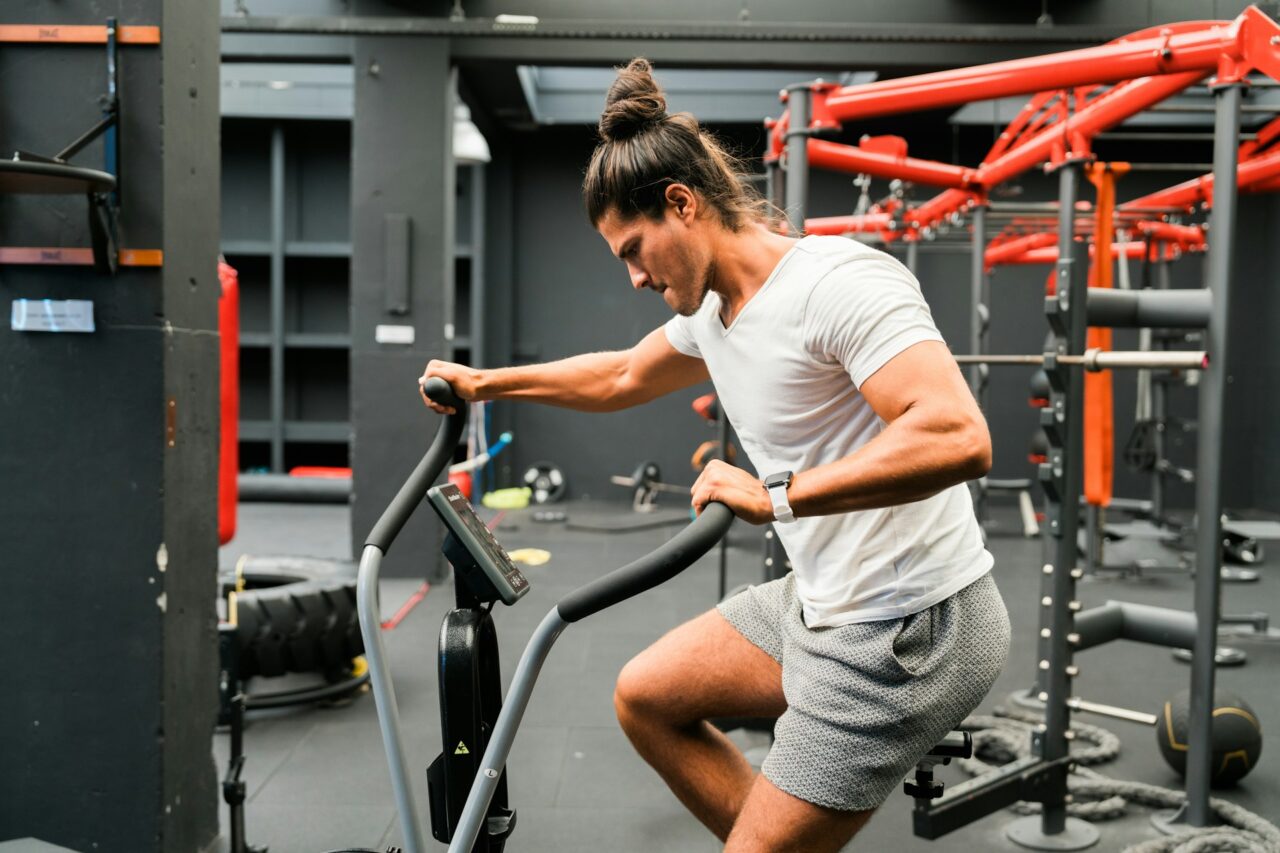
HIIT, or High-Intensity Interval Training, has gained popularity for its quick, effective workouts that promise impressive results. This training method involves intense bursts of exercise followed by short recovery periods. It’s designed to keep your heart rate high and burn more fat in less time. While the benefits of HIIT are undeniable, it can also bring specific recovery challenges. Many people find themselves struggling to catch their breath during and after these workouts.
Breathlessness during HIIT can be both frustrating and concerning. It may feel like you’re not getting enough air or that your recovery is taking longer than it should. This sensation can lead to feelings of defeat and discourage you from continuing with your routine. However, understanding why this happens and what to do about it can make a big difference. In this discussion, we’ll explore some common recovery problems with HIIT, focusing on breathlessness, and offer practical solutions.
Understanding HIIT and Its Impact on the Body
HIIT workouts stand out due to their structured intervals of high-intensity exercises alternating with rest or lower-intensity periods. This style of training pushes the body’s limits, improving cardiovascular fitness, boosting metabolism, and increasing endurance. During these sessions, you can expect to perform activities like sprints, burpees, or jumping jacks in quick succession.
The high demand placed on the cardiovascular and respiratory systems is what makes HIIT effective but also challenging. Your heart works hard to pump blood throughout the body while your lungs supply the necessary oxygen. This elevated workload can cause shortness of breath, especially if your body isn’t used to such intensity.
Recovery problems are a natural part of pushing your limits in HIIT. People often experience breathlessness due to the rapid shift between high exertion and brief periods of rest. As your body works to replenish oxygen, remove waste products, and return to a resting state, catching your breath can become difficult.
Common Causes of Breathlessness During HIIT
When you experience breathlessness in HIIT, several factors could be at play. Here are some usual suspects:
– Poor Cardiovascular Conditioning: If your cardiovascular system isn’t well-prepared, it might struggle to keep up with the demands of HIIT. This can make breathing more labored and recovery slower.
– Improper Breathing Techniques: Often, people don’t realize they’re not breathing properly during intense workouts. Incorrect technique can hinder oxygen flow, making it harder to catch your breath.
– Overexertion: It’s easy to push too hard, especially if you’re motivated to see results quickly. Going beyond what your body can handle can lead to difficulty in catching your breath, both during and after the workout.
Understanding these causes helps tailor your approach to better manage and improve recovery. Knowing your body’s signals and responding appropriately can support a more balanced and successful HIIT experience.
Effective Strategies to Improve Recovery
If struggling with breathlessness during HIIT, it’s important to explore ways to bolster recovery. A few strategies can significantly enhance your comfort and performance.
1. Build Cardiovascular Fitness: The key to improving HIIT recovery lies in enhancing cardiovascular health. Start incorporating moderate-intensity exercises into your routine, such as brisk walking, cycling, or swimming. Over time, these activities can fortify your endurance and prepare your body for the intensity of HIIT workouts.
2. Focus on Breathing Techniques: Proper breathing is crucial in managing exertion during HIIT. Practice deep breathing exercises to help train your respiratory system. Inhale deeply through your nose and exhale through your mouth, ensuring a steady pace. This helps maximize oxygen intake and increases your lung capacity, making high-intensity intervals more manageable.
3. Listen to Your Body: Remaining attentive to your body’s signals is vital. It’s easy to get swept up in the challenge of HIIT and push beyond your limits. This can lead to overexertion and affect your breathing. Begin with a sustainable intensity, gradually increasing as your fitness improves. This pacing allows your body to acclimate and helps prevent fatigue-related breathing difficulties.
The Role of Gym Fitness Classes in Enhancing HIIT Recovery
Participating in structured fitness classes can greatly assist in overcoming recovery challenges. Classes offer a supportive environment where trained instructors guide you through different exercises. This is beneficial for learning the correct techniques, which include proper breathing and pacing strategies.
Fitness classes also ensure a balanced workout that’s less likely to cause overexertion. As sessions are designed to accommodate various fitness levels, they promote gradual progress, enabling you to sync with your body’s rhythm efficiently.
Furthermore, such classes often foster a sense of community and motivation, keeping you encouraged and consistent in your efforts. These benefits, over time, contribute to an overall enhancement in cardiovascular health, minimizing instances of breathlessness during high-intensity workouts.
Ready to Improve Your HIIT Recovery?
Harnessing these strategies can transform your HIIT experience from challenging to rewarding. By systematically building your cardiovascular strength, mastering effective breathing, and understanding your limits, you can optimize recovery.
Consider how structured classes can enhance your progress, offering balanced, guided approaches to training. Explore the options that align with your fitness goals, and take proactive steps towards a more fulfilling workout routine. As you strengthen your abilities, HIIT workouts will be less daunting and more empowering, contributing positively to your fitness journey.
Achieving effective recovery in HIIT workouts can significantly enhance your fitness journey. If you’re looking to improve your cardiovascular fitness while mastering breathing techniques, consider exploring gym fitness classes at Quincy Athletic Club. Our classes provide a supportive and structured environment for improving your skills alongside others. Start your path toward better health and recovery with our gym fitness classes.