
July 2025 - Quincy Athletic Club

getty-images-m3vRI36W0Qc-unsplash-1280x883.jpg

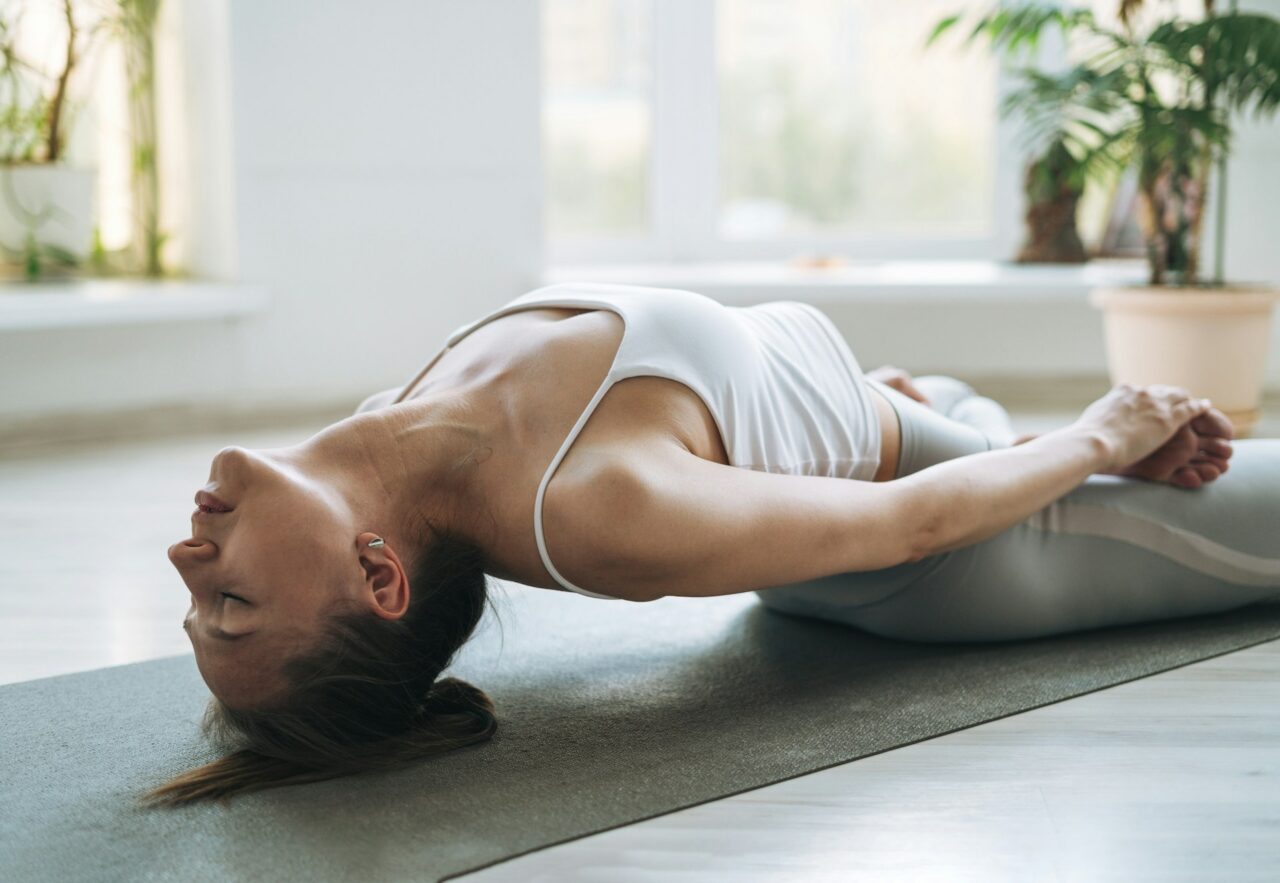
Back pain is something most of us have experienced at one time or another. Whether it’s from sitting at a desk all day, an old injury flaring up, or just life’s wear and tear, it can really get in the way of enjoying daily activities. Luckily, there’s a natural way to ease that discomfort without needing fancy equipment or spending a lot of money. Yoga has become a popular go-to remedy for many dealing with back pain and tension. It offers gentle stretches that help ease pain and relax both mind and body.

Yoga isn’t just about touching your toes or bending like a pretzel; it’s about how simple postures can make a big difference. When done regularly, specific yoga poses can strengthen back muscles, improve posture, and bring relief. This article will explore several yoga poses that are especially effective for relieving back pain, making it easier for you to get back to doing what you love.

Key Yoga Poses for Back Pain Relief

Cat-Cow Pose

The Cat-Cow Pose is a simple yet powerful way to wake up your spine and back muscles. Here’s how you can do it:

1. Start on all fours with your hands directly under your shoulders and knees under your hips.
2. As you inhale, drop your belly towards the mat, lift your head and tailbone to the sky—this is the Cow Pose.
3. When you exhale, pull your belly button to your spine, tuck your chin to your chest, and arch your back—this is the Cat Pose.

This movement is like giving your spine a friendly hug, loosening up those tight spots, and brings mobility back to the back, cutting down on tension. Doing this a few times in the morning or after a long day can help keep your back flexible, reducing pain and strain.

Child’s Pose

Child’s Pose is another gentle stretch focusing on relaxing the back and stretching the hips. It’s like a mini retreat whenever your back needs a break. To practice Child’s Pose:

1. Kneel on the floor with your big toes touching and knees spread apart.
2. Lower your torso between your thighs and reach your arms forward on the mat, palms down.
3. Rest your forehead on the ground and breathe deeply.

This pose is all about allowing your body to relax and melt into the mat. It gives a soothing stretch to your lower spine and allows your mind to quieten—perfect for easing back pain. Just take a few deep breaths here, and it feels like your cares are floating away.

Downward-Facing Dog

Downward-Facing Dog may sound like an odd name, but it’s a favorite for a reason. It combines a full-body stretch with strengthening muscles, including those in the back.

1. Begin on your hands and knees.
2. Tuck your toes under and press into your hands to lift your hips towards the ceiling, forming an upside-down “V” shape.
3. Keep your feet hip-width apart and let your head hang naturally between your arms.

While it may take a little practice, Downward-Facing Dog stretches the spine and saves it from stiffness. By engaging back muscles, you get a stronger, more supportive back, which means pesky back pain may start to fade away.

By trying these poses regularly, you can give your back the attention it needs, allowing you to regain comfort in daily life. Remember, yoga is about going at your own pace, so it’s okay to adjust as needed.

Sphinx Pose

The Sphinx Pose offers a gentle way to lengthen the spine while strengthening lower back muscles. It’s particularly useful when recovering from back discomfort because it involves minimal movement yet provides effective relief. To practice the Sphinx Pose, follow these steps:

1. Lie face down on your mat with your legs extended and toes pointing back.
2. Place your elbows under your shoulders and forearms flat on the floor.
3. As you inhale, gently lift your chest off the ground, keeping your pelvis firmly on the mat.
4. Look forward and relax your shoulders away from your ears.

This pose helps stretch the lower spine and supports a healthy alignment. It’s a comforting position that requires minimal effort, making it ideal for easing back pain while promoting calm and relaxation.

Additional Tips for Enhancing Yoga Practice

If you’re keen on getting the most out of your yoga routine, a few simple tips can make a big difference:

– Regular Practice: Consistency is key. Dedicate a few minutes each day to these poses for continuous improvement.
– Listen to Your Body: Pay attention to any signals your body gives. If a pose feels painful, ease out of it and try a different one.
– Use Props: Beginners may find yoga blocks or rolled-up towels helpful for providing extra support and enhancing the poses.
– Stay Hydrated: Drinking water before and after your practice keeps your muscles hydrated and flexible.
– Combine Activities: Pair yoga with walking, swimming, or other low-impact exercises to enhance overall back health.

These tips not only boost the benefits of yoga but also encourage a holistic approach to back care.

Benefits of Joining Yoga Classes in Quincy

Attending a yoga class can offer numerous advantages beyond what solo practice might provide. Whether you’re a newcomer or seasoned participant, classes offer a structured environment with guided instruction, ensuring you’re performing each pose correctly. This reduces the risk of injury and increases the effectiveness of your practice.

Moreover, group classes cultivate a sense of community. Practicing with others can be motivating and provides opportunities to learn from each other. Additionally, instructors in Quincy often offer valuable modifications for poses, catering to different abilities and injury concerns, so everyone leaves feeling accomplished and refreshed.

Finding Relief Through Yoga

Exploring yoga poses for back pain opens up possibilities for those looking to ease discomfort. These movements are accessible to everyone and come with added mental and physical benefits. Regular participation in yoga can pave the way to not just a pain-free back, but a calmer mind and stronger body.

By consistently integrating yoga into your routine, you can take significant steps toward relieving back pain. It offers a path to a healthier lifestyle, marked by flexibility and peace. Before you know it, these simple, mindful exercises will have you feeling more aligned and energized than ever.

If you’re ready to explore the soothing benefits of yoga in a supportive environment, Quincy Athletic Club offers a variety of classes to enhance your experience and keep you motivated. Join others in finding relief by exploring our offerings for yoga classes in Quincy, and take the first step toward a healthier back and a more relaxed you.


getty-images-giq2ZadCvhw-unsplash-1280x851.jpg

Sitting at a desk for hours can make you feel stiff and uncomfortable. It doesn’t take long for your shoulders to start aching, your back to feel tight, and your neck to complain from being hunched over the computer. If this sounds familiar, you’re not alone. Desk job stiffness is a real problem for many people who spend a good part of their day sitting and working on a computer. But the good news is, you don’t have to stay stuck in that stiff feeling. Mobility exercises can be a great way to keep your body flexible and your muscles relaxed, even if you spend most of your day sitting.

Staying active even in small ways during work hours can really make a difference. Introducing a few simple mobility exercises into your daily routine can help you stay flexible, fix that stiffness, and make you feel more comfortable during and after work. Whether you’re at home, in a cozy office, or in a bustling space with co-workers, finding a few minutes to stretch and move is important. And that’s exactly where we come in. We’re going to share five easy exercises that can help ease the tension caused by sitting too much and benefit your overall health.

Neck and Shoulder Rolls

Neck and shoulder stiffness is one of the biggest complaints for desk workers. Hours spent looking at a screen can lead to headaches and muscle aches. But neck and shoulder rolls can be a simple solution. These gentle movements help to loosen the muscles in your neck and shoulders, reducing tension and improving posture.

Here’s how to perform neck and shoulder rolls:

– Neck Rolls: Begin by sitting up straight. Let your head drop forward, then slowly roll it in a circular motion. Do this five times clockwise, then switch to counterclockwise. Make sure you keep the movement slow and gentle to avoid straining your neck.
– Shoulder Rolls: Sit or stand with your back straight. Lift your shoulders towards your ears in a shrug. Roll them back and down in a circular motion. Repeat this five times, then switch direction.

These exercises are a quick way to relieve tension and remind your body to maintain good posture. They can be done anywhere, anytime, so feel free to take a quick break and roll your shoulders and neck to ease that built-up tension. Taking these small steps can lead to noticeable improvements in how you feel every day.

Seated Spinal Twist

Keeping your spine flexible is important, especially if you spend most of your time sitting. A favorite exercise for releasing that spine tension is the seated spinal twist. This exercise is simple yet effective in improving movement and comfort in your lower back and spine.

To do a seated spinal twist, sit in a chair with both feet flat on the floor. Place your right hand on the outer side of your left knee. Slowly twist your upper body to the left, looking over your left shoulder, and hold for a few seconds. Return to the center and repeat on the other side.

Incorporating this exercise into your routine can enhance spinal health and comfort. Moving your spine gently and regularly helps circulate nutrients around the spine, which is key to keeping it healthy. It doesn’t require any special equipment, and you can even do it without leaving your desk, meaning it’s perfect for quick breaks. Making this stretch a habit can offer relief and improved movement over time.

Wrist and Forearm Stretches

Typing day in and day out can leave wrists and forearms feeling tight and sore. This stiffness can make simple tasks uncomfortable and can even lead to repetitive strain injuries. Fortunately, there are stretches that target these areas, offering relief and maintaining flexibility.

– Wrist Flexor Stretch: Extend your right arm in front of you with your palm facing up. Use your left hand to gently push back on the fingertips, stretching the underside of your forearm. Hold for a few seconds, then switch to the other side.
– Wrist Extensor Stretch: With your right arm extended and palm facing down, use your left hand to apply gentle pressure on the back of your hand, stretching the top of your forearm. Repeat on the opposite side.
– Forearm Rolls: With some space on your desk or any flat surface, place your forearms on the surface and roll a soft ball beneath them, adding a gentle massage that releases tension.

These stretches are simple to incorporate into daily breaks and can significantly reduce the risk of discomfort and injury. Taking just a few minutes throughout the day to tend to these stretches can keep your wrists and forearms feeling limber and strong, making work tasks feel less taxing.

Hip Flexor Stretch

Sitting all day can contribute to tight hip flexors, leading to discomfort in your hips and lower back. Stretching the hip flexors can foster better hip mobility and alleviate pain resulting from extended periods seated.

To perform an effective hip flexor stretch, start by standing up straight. Step back with your right foot, keeping your left foot firmly planted. Bend your left knee slightly as your right leg straightens behind you, forming a gentle lunge. Ensure you feel a stretch along the front of your right hip and hold for a few seconds, then swap sides.

Incorporating this stretch into your routine can counterbalance the effects of long hours spent sitting. Regular stretching of the hip flexors helps in maintaining flexibility and preventing stiffness. This simple addition to your daily regimen can make a significant impact on how your body feels during and after a workday.

Ankle Circles and Calf Raises

An often overlooked area when it comes to desk job stiffness is the lower legs. Ankle and calf mobility plays an important role in overall comfort and circulation. These easy exercises can wake up your legs and prevent stiffness.

– Ankle Circles: While seated, lift one leg slightly off the floor and begin to move your ankle in a circular motion. Do this ten times in one direction, then reverse the circle. Switch to the other leg and repeat.
– Calf Raises: Stand up and lift your body using the balls of your feet, hold for a moment, then lower back down. This simple movement can be done at your desk and is a great way to activate and stretch the calves.

These movements take just a couple of minutes but can greatly improve circulation in your legs, reducing the likelihood of stiffness by the end of your day. Integrating these simple exercises into your schedule is a small change leading to greater comfort and well-being over time.

Keep Your Body Moving

Finding ways to move amid a busy schedule doesn’t just help fend off stiffness, it also makes you feel better. By adding simple stretches for your neck, shoulders, spine, and limbs to your day, you can manage the stiffness that comes from sitting too much. These targeted exercises are not only easy to do but also substantially beneficial in maintaining flexibility and comfort for your body.

Practicing these moves consistently can lead to a notable improvement in how you feel both during work and after hours. Making even minor adjustments to your routine can have lasting effects, boosting your sense of wellness and active lifestyle. As you engage in these exercises, you’ll not only notice reduced stiffness but also a revived energy to tackle daily challenges with ease.

Make your daily routine even more effective by visiting Quincy Athletic Club, where fitness enthusiasts find encouragement and resources. Discover why it’s considered the best workout gym in Quincy, MA, offering a wide range of classes to help you stay flexible and energized throughout your workdays. Dive into our class schedule and start feeling the positive change in your lifestyle today!


engin-akyurt-P2aYOmAs5eM-unsplash-1280x960.jpg

Cardio kickboxing is a fantastic way to boost your fitness levels while having a blast. This dynamic workout combines martial arts techniques with high-energy cardio to get your heart pumping and muscles moving. It’s not just a great way to burn calories and tone your body, but also an excellent stress reliever. Imagine feeling the rush of energy as you throw powerful punches and swift kicks, all while improving your balance, coordination, and flexibility. For fitness enthusiasts, cardio kickboxing offers the perfect blend of fun and effectiveness, making sure you stay motivated and see results.

But to truly benefit from this workout, mastering the correct punch technique is key. Good technique ensures that you’re maximizing your workout efficiency while reducing the risk of injury. Throwing a punch might seem simple, yet it involves several components that need to be just right. By focusing on the right stance, hand placement, and footwork, you can enhance your punching power and agility, making every session more rewarding. Without the proper technique, you could end up straining your muscles or not getting the full impact of your workout efforts. Let’s explore how you can refine your punch technique to get the most out of your cardio kickboxing sessions.

Key Components of Correct Punch Technique

Getting your punch technique right starts with mastering three main elements: stance, hand placement, and footwork. These components work together to help you deliver more powerful and effective punches.

– Stance: Begin by positioning your feet shoulder-width apart, with your dominant foot slightly in front. Bend your knees a bit to maintain a low center of gravity, ensuring you’re balanced and stable. This stance allows you to pivot with ease and generate more power when you throw punches.

– Hand Placement: Keep your hands up by your face, with your palms facing inward. This placement not only protects your face but also helps you snap your punches quickly and efficiently. Make sure to keep your wrists straight and your fists tightly closed to prevent injury.

– Footwork: Your feet are the foundation of a powerful punch. Move constantly but maintain your stance, allowing for quick shifts and turns. Good footwork helps you generate more force by pushing from your toes and adding momentum to your punches.

When these elements are in sync, you’ll notice a significant improvement in your punching power and overall performance. By focusing on the basics, you make each punch count, enhancing your workout and ensuring you’re moving efficiently and safely. Before long, you’ll find that your cardio kickboxing skills have improved, along with your confidence and enjoyment of the workout.

Common Mistakes in Punch Technique

Despite the simplicity behind a punch, several common mistakes can hinder your progress and even increase the risk of injury. Recognizing and avoiding these pitfalls will enhance your performance and protect your body.

– Overextending: One of the most frequent errors is overextending your punches. This happens when you reach too far with your punch, compromising balance and leaving you off-guard. To avoid this, maintain a controlled motion where your arm fully extends without straining your shoulder. Visualize punching through an imaginary target just a few inches in front of your hand, rather than trying to reach too far.

– Dropping Hands: Dropping your hands after a punch leaves your face unprotected, increasing the risk of injury. This habit often happens when you’re focused solely on delivering the punch. Keep your hands up, returning them swiftly to guard your face after each strike. Practice this motion repetitively until it becomes second nature.

– Poor Foot Alignment: Foot alignment is often overlooked during a punch, yet it plays a vital role in transferring power and maintaining balance. When throwing a punch, your feet should remain grounded with toes pointing towards the target. This alignment ensures stability and facilitates a smooth transfer of energy from lower to upper body. Keep your weight balanced between both feet to enhance punch strength and control.

Drills and Exercises to Improve Punch Technique

Consistency and practice are key to refining your punch technique. Incorporating specific drills and exercises into your routine can make a significant difference in your skill level and overall confidence.

– Shadow Boxing: This simple exercise improves form and muscle memory. By mimicking the motions of a fight without an opponent, you can practice different types of punches and refine your technique. Shadow boxing allows you to focus on the precision of each movement, visualizing perfect execution.

– Focus Mitts: Practicing with a partner using focus mitts enhances accuracy and speed. The mitt holder provides targets while offering feedback, helping you improve coordination and timing. It’s an effective way to simulate real sparring situations with controlled contact, bolstering your skills in a safe environment.

– Punching Bags: Building power and endurance with punching bags is a must. Heavy bags allow you to unleash full-force punches, helping develop muscle strength and stamina. As you hit the bag, concentrate on maintaining correct form and rhythm without rushing. This practice strengthens your ability to deliver powerful strikes without tiring quickly.

Ready to Improve Your Punch Technique?

Correcting your punch technique is more than just about improving your cardio kickboxing sessions; it’s about gaining more from every drop of sweat. A solid technique translates into a more efficient workout, torched calories, and better muscle development. Moreover, it dramatically reduces injuries, letting you train longer and harder safely. With each step you take to master the art of punching, your confidence will rise, alongside your performance.

Whether you’re a beginner or have some experience, there’s always room to hone your skills. By applying these guidelines and dedicating time to practice, you’ll witness great strides in your abilities. Feel inspired to make punch perfection a part of your kickboxing journey and discover how much more powerful and enjoyable this workout can become.

Want to refine your skills in cardio kickboxing? Join us at Quincy Athletic Club, where our classes are structured to help you become more adept in technique and performance. Experience the difference a professional setting makes at the health fitness gym. Elevate your training and reach new fitness heights with our dedicated instructors and supportive community.


valery-sysoev-dlNBrfwRDXo-unsplash-1280x853.jpg

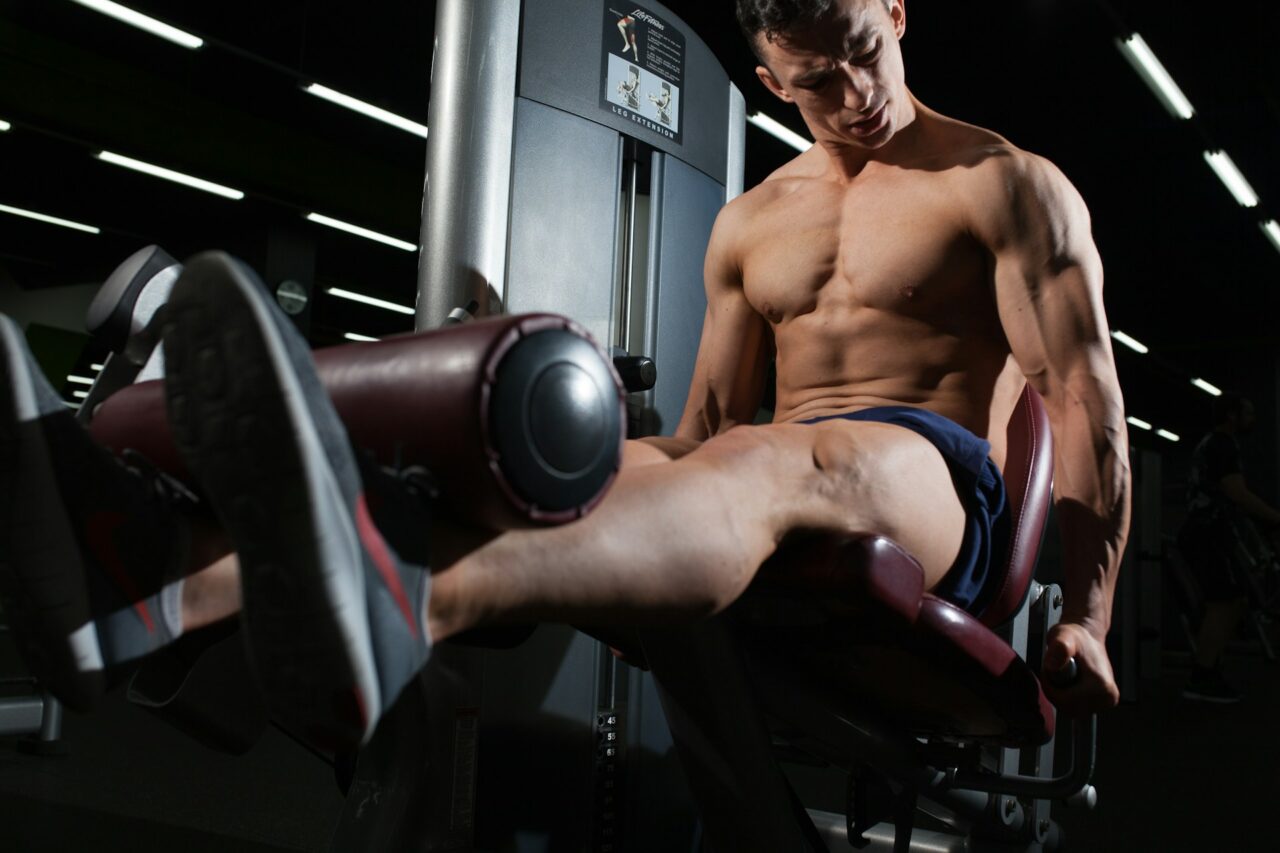
Body Pump Express offers a powerful approach to fitness, focusing on effectively targeting those tricky problem areas. These areas often include abs, thighs, and arms, where many people wish to enhance their muscle tone and strength. By zeroing in on these spots, Body Pump Express classes aim to provide a comprehensive workout that delivers noticeable results over time. The essence of these classes is to blend intensity and precision, enabling participants to experience changes without the need for lengthy gym sessions.

Situated in Quincy, MA, Quincy Athletic Club provides an ideal setting for these transformational workouts. The classes are not just about lifting weights but creating a balanced routine that fits busy lifestyles. With expert guidance, you can learn the right techniques to focus your efforts on areas that matter the most to you.

How Body Pump Express Works

In Body Pump Express classes, you typically engage in various exercises that combine resistance training with aerobic workouts. Each session is structured to maximize efficiency, employing light to moderate weights with lots of repetition. This format is designed to help you burn calories, tone muscles, and improve endurance, all while concentrating efforts on key muscle groups.

Here’s what a typical class involves:

– Warm-Up: Start with light exercises to get the heart rate up and prepare muscles.
– Squats: Target the thighs and glutes with controlled, purposeful movements.
– Bench Presses: Engage the chest and triceps, improving definition and strength.
– Deadlifts: Focus on the back and hamstrings, enhancing core stability.
– Cool-Down: Finish with stretching to help muscles recover and flexibility improve.

Each of these exercises is carefully selected to activate different parts of the body, making sure you don’t just bulk up but achieve a more streamlined and firm physique. The classes are usually 30 minutes long, encouraging you to push your limits within a concise timeframe. Instructors guide you through proper form and technique, ensuring each motion contributes to your fitness goals.

The beauty of Body Pump Express lies in its adaptability. Whether you’re a beginner or a seasoned fitness enthusiast, the classes are structured to meet you where you are, with the opportunity to adjust weights and intensity to match your comfort level. This makes the workouts both challenging and rewarding, providing the incentive to return week after week.

Benefits of Targeting Problem Areas

Targeting specific problem areas like abs, thighs, and arms has numerous benefits. Focusing on these parts can help you build muscle definition, improve posture, and boost overall strength. For many, these areas are where the body tends to store excess fat, making them common targets for workouts.

When you engage in targeted exercises, you address strength disparities. For instance, people with weaker thighs might emphasize squats to build muscle and balance. This approach not only improves appearance but also supports physical health by enhancing body mechanics.

Body Pump Express classes excel in targeting these areas through structured routines. The variety of moves ensures balanced development, with each exercise fine-tuned to engage specific muscle groups. By maintaining consistency, participants often see noticeable changes, feeling stronger and more confident.

Why Choose Gym Workout Classes at Quincy Athletic Club

Gym workout classes offer more than just a space to exercise; they create an environment focused on holistic health. Participating in such classes means being part of a community where motivation and guidance are key elements. With instructors leading the way, gym-goers can feel assured they are performing exercises correctly and safely.

Quincy Athletic Club provides this supportive setting, offering a combination of professional instruction and community feel. The club’s structured classes make it easier to commit to a fitness routine, minimizing the uncertainty of working out alone. With personalized guidance, members can efficiently work on their problem areas, gaining improvement in a supportive atmosphere.

Benefits of joining gym classes include:

– Expert Instruction: Skilled trainers guide you toward achieving your fitness goals safely.
– Structured Routines: Consistent schedules help maintain focus and dedication to the workout.
– Community Support: Fellow participants offer encouragement, making every class enjoyable.

Tips for Getting the Most Out of Body Pump Express

To get the best results from your Body Pump Express sessions, a few strategies can make all the difference. First, warming up and cooling down cannot be ignored. A good warm-up prepares your muscles and reduces injury risk, while proper cool-down stretches help reduce soreness and enhance recovery.

Paying attention to form and technique ensures you target muscles effectively, minimizing potential strain. Simple actions, like engaging your core during exercises, result in better outcomes and help prevent injuries.

Consistency is another major factor. Regular attendance builds endurance and strength, cementing those workout gains. Progression should be gradual, with weights and intensity increased based on comfort level, avoiding sudden leaps that could harm.

Remember these strategies:

– Warm-Up and Cool-Down: Integral to starting and finishing any class safely.
– Proper Form: Ensures targeted results and prevents injuries.
– Consistency: The key to long-term success in fitness goals.

Ready to Transform Your Problem Areas?

You’ve got the lowdown on how Body Pump Express can help address those stubborn problem areas. The program offers a comprehensive solution for improving strength, definition, and overall fitness. Participating in this class means starting a journey of transformation where every session brings you closer to your goals.

Targeted exercises focus on commonly troublesome spots, while the structured class format fits into even the busiest schedules. As you engage consistently, you’ll likely witness noticeable changes that boost both your confidence and physique.

With this plan in hand, you’re now equipped to tackle fitness challenges strategically. Embrace the process and watch as commitment and effort lead to visible outcomes. Now’s the time to dive into a new way to workout, targeting those problem areas effectively and efficiently.

Elevate your fitness journey with targeted exercises that deliver results at Quincy Athletic Club. Discover the power of our gym workout classes designed to optimize strength and tone problem areas efficiently. Join a community committed to health, improve muscle definition, and enjoy expert guidance that fits into any schedule. Embrace this opportunity and start transforming your fitness routine today!