June 2025 - Quincy Athletic Club

gard-pro-B8JZ_TRR92U-unsplash-1280x853.jpg

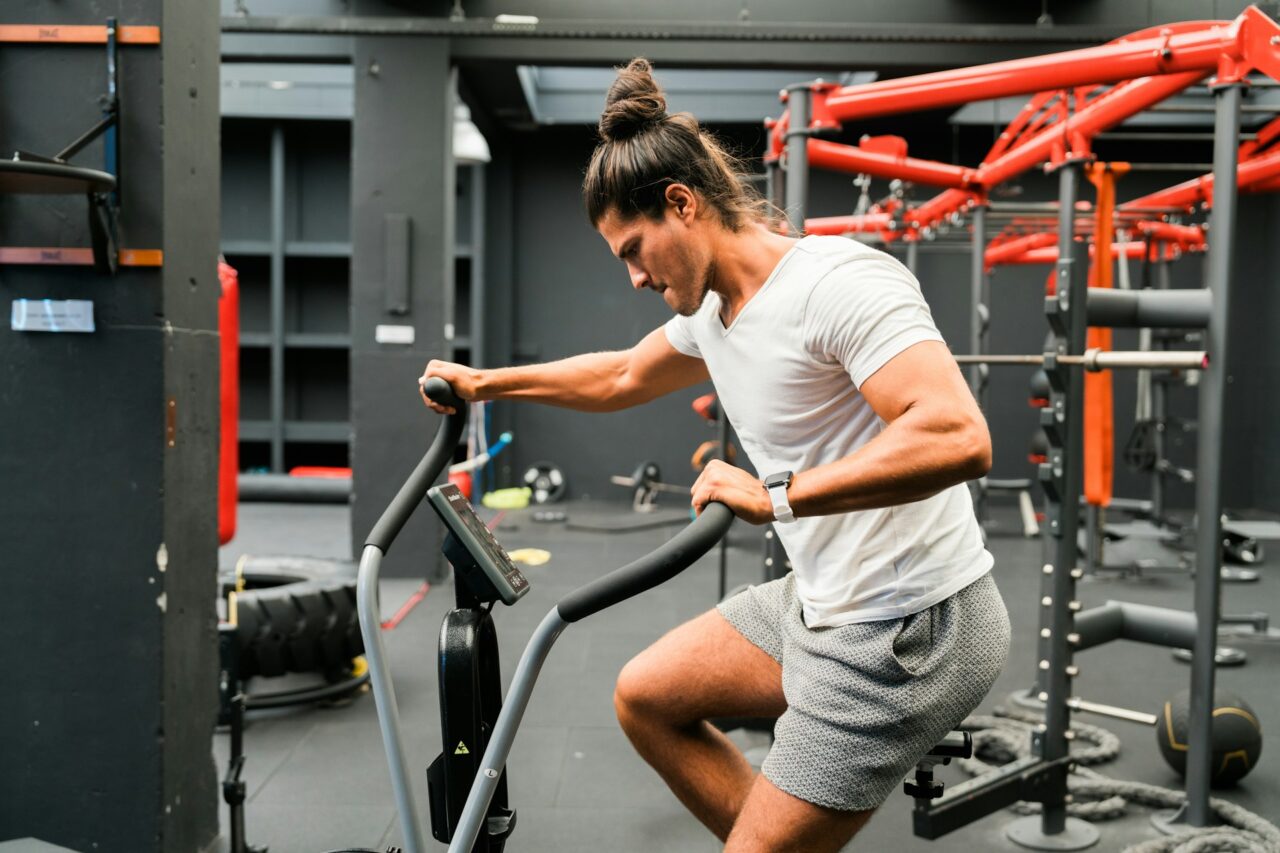
HIIT, or High-Intensity Interval Training, has gained popularity for its quick, effective workouts that promise impressive results. This training method involves intense bursts of exercise followed by short recovery periods. It’s designed to keep your heart rate high and burn more fat in less time. While the benefits of HIIT are undeniable, it can also bring specific recovery challenges. Many people find themselves struggling to catch their breath during and after these workouts.

Breathlessness during HIIT can be both frustrating and concerning. It may feel like you’re not getting enough air or that your recovery is taking longer than it should. This sensation can lead to feelings of defeat and discourage you from continuing with your routine. However, understanding why this happens and what to do about it can make a big difference. In this discussion, we’ll explore some common recovery problems with HIIT, focusing on breathlessness, and offer practical solutions.

Understanding HIIT and Its Impact on the Body

HIIT workouts stand out due to their structured intervals of high-intensity exercises alternating with rest or lower-intensity periods. This style of training pushes the body’s limits, improving cardiovascular fitness, boosting metabolism, and increasing endurance. During these sessions, you can expect to perform activities like sprints, burpees, or jumping jacks in quick succession.

The high demand placed on the cardiovascular and respiratory systems is what makes HIIT effective but also challenging. Your heart works hard to pump blood throughout the body while your lungs supply the necessary oxygen. This elevated workload can cause shortness of breath, especially if your body isn’t used to such intensity.

Recovery problems are a natural part of pushing your limits in HIIT. People often experience breathlessness due to the rapid shift between high exertion and brief periods of rest. As your body works to replenish oxygen, remove waste products, and return to a resting state, catching your breath can become difficult.

Common Causes of Breathlessness During HIIT

When you experience breathlessness in HIIT, several factors could be at play. Here are some usual suspects:

– Poor Cardiovascular Conditioning: If your cardiovascular system isn’t well-prepared, it might struggle to keep up with the demands of HIIT. This can make breathing more labored and recovery slower.

– Improper Breathing Techniques: Often, people don’t realize they’re not breathing properly during intense workouts. Incorrect technique can hinder oxygen flow, making it harder to catch your breath.

– Overexertion: It’s easy to push too hard, especially if you’re motivated to see results quickly. Going beyond what your body can handle can lead to difficulty in catching your breath, both during and after the workout.

Understanding these causes helps tailor your approach to better manage and improve recovery. Knowing your body’s signals and responding appropriately can support a more balanced and successful HIIT experience.

Effective Strategies to Improve Recovery

If struggling with breathlessness during HIIT, it’s important to explore ways to bolster recovery. A few strategies can significantly enhance your comfort and performance.

1. Build Cardiovascular Fitness: The key to improving HIIT recovery lies in enhancing cardiovascular health. Start incorporating moderate-intensity exercises into your routine, such as brisk walking, cycling, or swimming. Over time, these activities can fortify your endurance and prepare your body for the intensity of HIIT workouts.

2. Focus on Breathing Techniques: Proper breathing is crucial in managing exertion during HIIT. Practice deep breathing exercises to help train your respiratory system. Inhale deeply through your nose and exhale through your mouth, ensuring a steady pace. This helps maximize oxygen intake and increases your lung capacity, making high-intensity intervals more manageable.

3. Listen to Your Body: Remaining attentive to your body’s signals is vital. It’s easy to get swept up in the challenge of HIIT and push beyond your limits. This can lead to overexertion and affect your breathing. Begin with a sustainable intensity, gradually increasing as your fitness improves. This pacing allows your body to acclimate and helps prevent fatigue-related breathing difficulties.

The Role of Gym Fitness Classes in Enhancing HIIT Recovery

Participating in structured fitness classes can greatly assist in overcoming recovery challenges. Classes offer a supportive environment where trained instructors guide you through different exercises. This is beneficial for learning the correct techniques, which include proper breathing and pacing strategies.

Fitness classes also ensure a balanced workout that’s less likely to cause overexertion. As sessions are designed to accommodate various fitness levels, they promote gradual progress, enabling you to sync with your body’s rhythm efficiently.

Furthermore, such classes often foster a sense of community and motivation, keeping you encouraged and consistent in your efforts. These benefits, over time, contribute to an overall enhancement in cardiovascular health, minimizing instances of breathlessness during high-intensity workouts.

Ready to Improve Your HIIT Recovery?

Harnessing these strategies can transform your HIIT experience from challenging to rewarding. By systematically building your cardiovascular strength, mastering effective breathing, and understanding your limits, you can optimize recovery.

Consider how structured classes can enhance your progress, offering balanced, guided approaches to training. Explore the options that align with your fitness goals, and take proactive steps towards a more fulfilling workout routine. As you strengthen your abilities, HIIT workouts will be less daunting and more empowering, contributing positively to your fitness journey.

Achieving effective recovery in HIIT workouts can significantly enhance your fitness journey. If you’re looking to improve your cardiovascular fitness while mastering breathing techniques, consider exploring gym fitness classes at Quincy Athletic Club. Our classes provide a supportive and structured environment for improving your skills alongside others. Start your path toward better health and recovery with our gym fitness classes.

getty-images-qW6MZQ_CL7M-unsplash-1280x852.jpg

Barre Bootcamp might sound a bit intimidating at first. Combining elements of ballet, yoga, and pilates, this fitness class promises a full-body workout that targets various muscle groups. With its blend of high-intensity movements and graceful exercises, it’s no wonder some people feel a little overwhelmed by the idea of trying a class. But you’re definitely not alone in feeling this way. Barre Bootcamp can be a fantastic way to break a sweat, and there’s really no need to be nervous about giving it a try.

Most of the jitters come from not knowing what to expect or worrying about not keeping up with the rest of the class. The good news is that these classes are for everyone, no matter where you are in your fitness journey. It helps to start with beginner classes, where you can take your time learning the moves and build your confidence at your own pace. It’s okay to take things step by step, and before you know it, you’ll be flowing through the moves with a smile on your face.

Reasons Why Barre Bootcamp May Seem Intimidating

When you hear about Barre Bootcamp, you might picture intense workouts with no room for error, creating a sense of unease for newcomers or those returning to fitness. This feeling of intimidation can stem from a few common concerns that pop up before even stepping into the class. Here are some reasons why:

– Perceived Difficulty Level: The mere name “Bootcamp” suggests a tough workout that might not seem suitable for beginners, however, it’s important to remember that the intensity can be adjusted to fit all fitness levels.
– Fear of Not Keeping Up: Seeing experienced participants move gracefully can make anyone feel like they won’t keep up, but remember, everyone had to start somewhere.
– Unfamiliarity with the Class Format: With a mix of different exercise styles, the format might seem confusing at first glance, causing nerves even before starting.

Understanding that these fears are common can make them easier to manage. By acknowledging these potential hurdles, you can focus on taking that first step without unnecessary pressure. Remember, the goal is to enjoy and improve your fitness, not to be perfect on your first day.

How to Overcome Barre Bootcamp Intimidation

If stepping into a Barre Bootcamp leaves you feeling uneasy, there are practical steps you can take to ease those nerves. Starting slow is key. Many gyms offer beginner classes tailored for those new to barre. These sessions allow you to familiarize yourself with the rhythm and movements at a pace that’s comfortable for you. As you gain confidence, you can gradually increase the intensity.

Another helpful approach is to focus on personal progress. Rather than comparing yourself to others in the class—who might be more advanced—keep track of your own improvements, no matter how small they seem. Celebrating personal milestones keeps the motivation high and lessens feelings of intimidation.

Make sure to take advantage of the support from instructors and fellow attendees. Instructors are there to guide you through each move, offering modifications if needed. Feel free to ask questions or seek help if a certain pose feels challenging. Many class members are also more than willing to offer tips and share their own experiences, making your journey feel more like a group effort.

Benefits of Joining a Barre Bootcamp at Quincy Fitness Center

Deciding to join a Barre Bootcamp can lead to numerous benefits that touch on both physical and mental aspects. Physically, this workout is designed to improve strength and flexibility. You’ll engage muscles you might not use in everyday life, giving you a more balanced workout. This can translate to day-to-day activities feeling easier, as your body becomes stronger and more agile.

Being part of such a supportive community can boost mental well-being too. You’ll find that many people attend for the camaraderie and motivation that group fitness provides. When surrounded by like-minded individuals, the experience becomes more enjoyable and encouraging.

The personalized attention from experienced instructors is another advantage. They take the time to ensure you’re moving correctly, which not only enhances your performance but reduces the risk of injury. You’ll always feel like you have a helping hand.

What to Expect in a Barre Bootcamp Class

Walking into a Barre Bootcamp, you might notice the upbeat music and energized atmosphere. Classes typically start with a warm-up to get your muscles ready. You’ll then go through a series of movements that focus on different muscle groups. Expect to use weights, resistance bands, or even just your body weight to perform small, controlled movements.

Here are some tips to make your first few sessions more enjoyable:

– Keep Hydrated: Bring a water bottle and take breaks when needed.
– Dress Comfortably: Wear attire that allows for a full range of motion.
– Stay Open-Minded: Be willing to learn and try new things, even if they seem challenging.

Finally, remember that every participant, no matter how experienced, had a first day in class. Embracing this journey with an open heart and mind makes the process enjoyable and rewarding. Transitioning from intimidation to enjoyment is a fulfilling experience, one that offers both personal growth and newfound fitness joys.

Curious to experience the blend of energy and camaraderie found in class workouts? Discover all that Quincy Fitness Center has to offer by exploring its diverse range of classes. Whether you’re starting fresh or looking to push past your limits, there’s a perfect fit for your fitness needs. Don’t let intimidation hold you back any longer. Embrace the opportunity to grow stronger and more confident in an encouraging environment at Quincy Athletic Club.


getty-images-mDWyU9Zz5wk-unsplash-1280x853.jpg

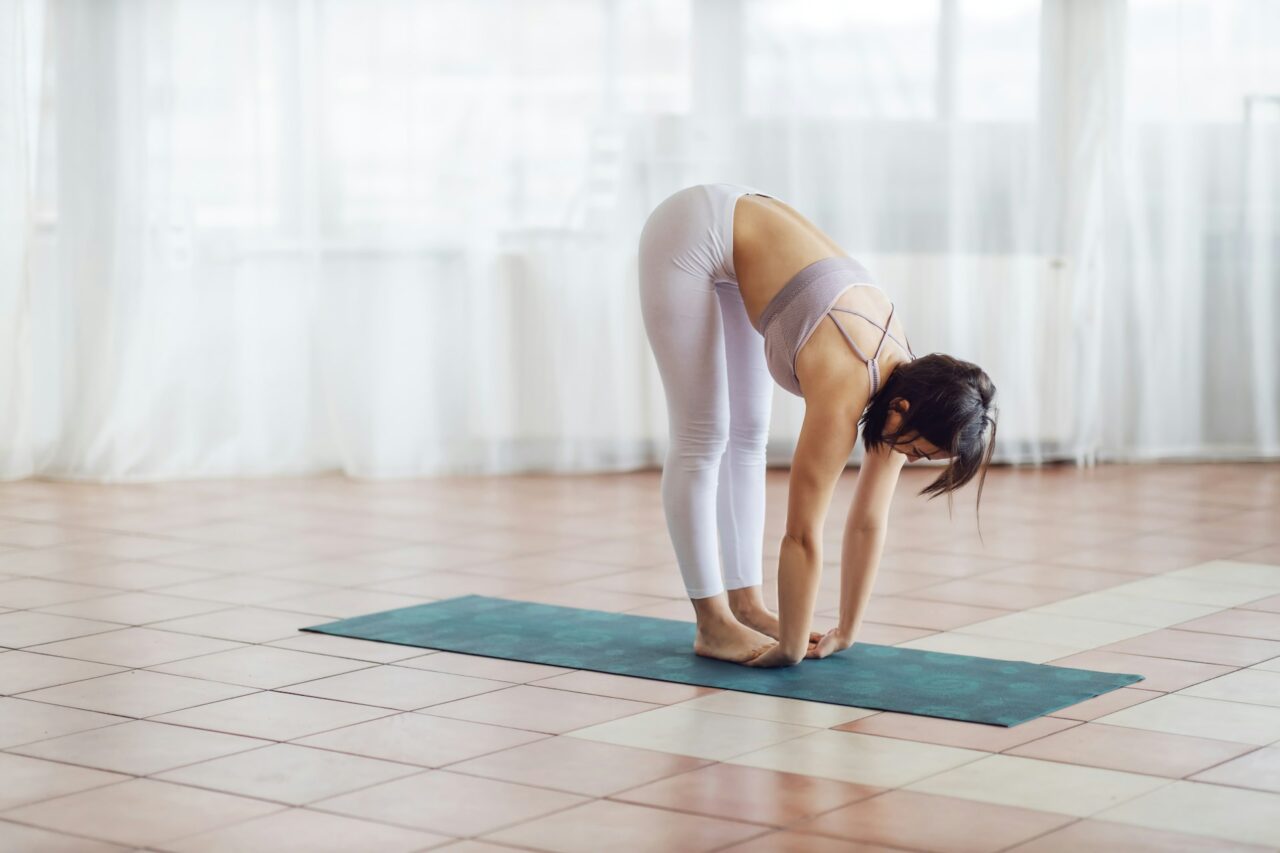
Yoga is a wonderful practice that offers both physical and mental benefits. It helps increase flexibility, build strength, and promote relaxation. However, not all yoga poses are easy to master, particularly when it comes to certain transitions. Yoga transitions involve moving smoothly from one pose to another, an area where many practitioners face challenges. These transitions require balance, strength, and focus, which can turn them into a bit of a struggle.

For those attending yoga classes in Quincy, adapting difficult transitions doesn’t just prevent frustration; it enhances your overall experience. Modifying these transitions allows practitioners to progress at their own pace, ensuring they gain the full benefit of each session without straining their bodies. Modifications bridge the gap between where you are and where you want to be in your yoga journey.

Common Difficult Yoga Transitions

In yoga, some transitions can be particularly tough to master. Understanding why these moves are challenging can help you approach them with patience and the right technique.

1. Chaturanga to Upward-Facing Dog: This transition requires a lot of upper body strength and control. The movement from a low plank to an upward stretch demands precision, as improper alignment can lead to discomfort, especially in the shoulders and back.

2. Crow Pose to Chaturanga: Transitioning from the crow pose to chaturanga is another advanced move. It combines balance with strength, requiring core engagement and arm strength to support your body weight as you shift.

3. Warrior III to Half Moon Pose: This transition challenges both balance and focus. As you move from Warrior III, a one-legged pose, into Half Moon Pose, the shift of weight and opening of the hips can be tricky for many.

These transitions are tricky due to the balance and strength they require, but they also highlight the importance of practicing yoga with mindfulness. Many practitioners find themselves rushing through transitions, missing the key elements that make them effective. By modifying these moves, you can refine your technique and avoid potential injury. This approach not only makes yoga more accessible for everyone but also paves the way for skill improvement over time.

Tips for Modifying Difficult Yoga Transitions

Breaking down challenging yoga transitions into manageable steps can help you approach them more confidently. One effective way to modify tricky transitions is to incorporate props. Blocks, straps, and bolsters become extensions of the body, providing the necessary support to ease into difficult movements.

– Use Blocks: Place blocks under your hands during transitions from the floor. This elevates you slightly, making it easier to maintain balance and alignment.

– Straps for Support: When trying to reach your feet in balancing poses, a strap can extend your reach and prevent strain.

– Bolsters for Comfort: Use bolsters to support your body during restorative parts of the practice, especially when transitioning through seated or reclined positions.

Alignment is key during these transitions. Keeping your core engaged and maintaining a steady breath can make a big difference.

Step-by-Step Modifications for Popular Transitions

Let’s look at how you can modify some popular challenging transitions to make them work for you.

1. Chaturanga to Upward-Facing Dog:

– Start in a plank position with your knees on the ground for extra support.

– Lower your chest toward the floor, keeping your elbows close to your body.

– Use the blocks under your hands to help press up into Upward-Facing Dog without straining your lower back.

2. Crow Pose to Chaturanga:

– Enter the crow pose with your knees bent and leaning into your arms.

– Slowly lower your feet back to the ground before transitioning into Chaturanga for better control.

– Practice holding the crow pose separately to build the strength required for a fluid transition.

3. Warrior III to Half Moon Pose:

– Use a block under your supporting hand as you move from Warrior III to Half Moon to help maintain balance.

– Focus on the alignment of your hips, ensuring they stay level as you open up into Half Moon.

– Practice these shifts near a wall for added stability until you gain confidence.

These modifications are more than just helpful tips—they’re building blocks to mastering yoga transitions that feel unlikely at first.

Benefits of Modifying Yoga Transitions

Adjusting poses isn’t just about making things easier; it’s about growing your practice mindfully and safely. By modifying yoga transitions, practitioners can enjoy a host of benefits:

– Reduced Risk of Injury: Ensures that the body doesn’t overstretch or overexert, especially crucial in dynamic movements.

– Improved Confidence: As you become more comfortable with transitions, your confidence in yoga—and in physical activity in general—can grow significantly.

– Enhanced Body Awareness: Tuning into how modifications affect your alignment and balance deepens your understanding of each pose.

For participants in yoga classes in Quincy, these modifications make each session more tailored to individual needs, ensuring progress is both steady and safe. Embracing these changes ultimately allows for a more enjoyable experience, where limitations gradually transform into newfound capabilities. So, let’s keep modifying and finding comfort in every twist and transition.

Embrace the benefits of modified yoga transitions and take your practice to the next level with expert guidance. Discover how our yoga classes in Quincy can enhance your flexibility and strength while ensuring safety and mindfulness in every session. Explore the class offerings at Quincy Athletic Club to find the right fit for your journey. Let us help you achieve your yoga goals, one transition at a time.


yury-kirillov-pbUWW-CBoqY-unsplash-1280x853.jpg

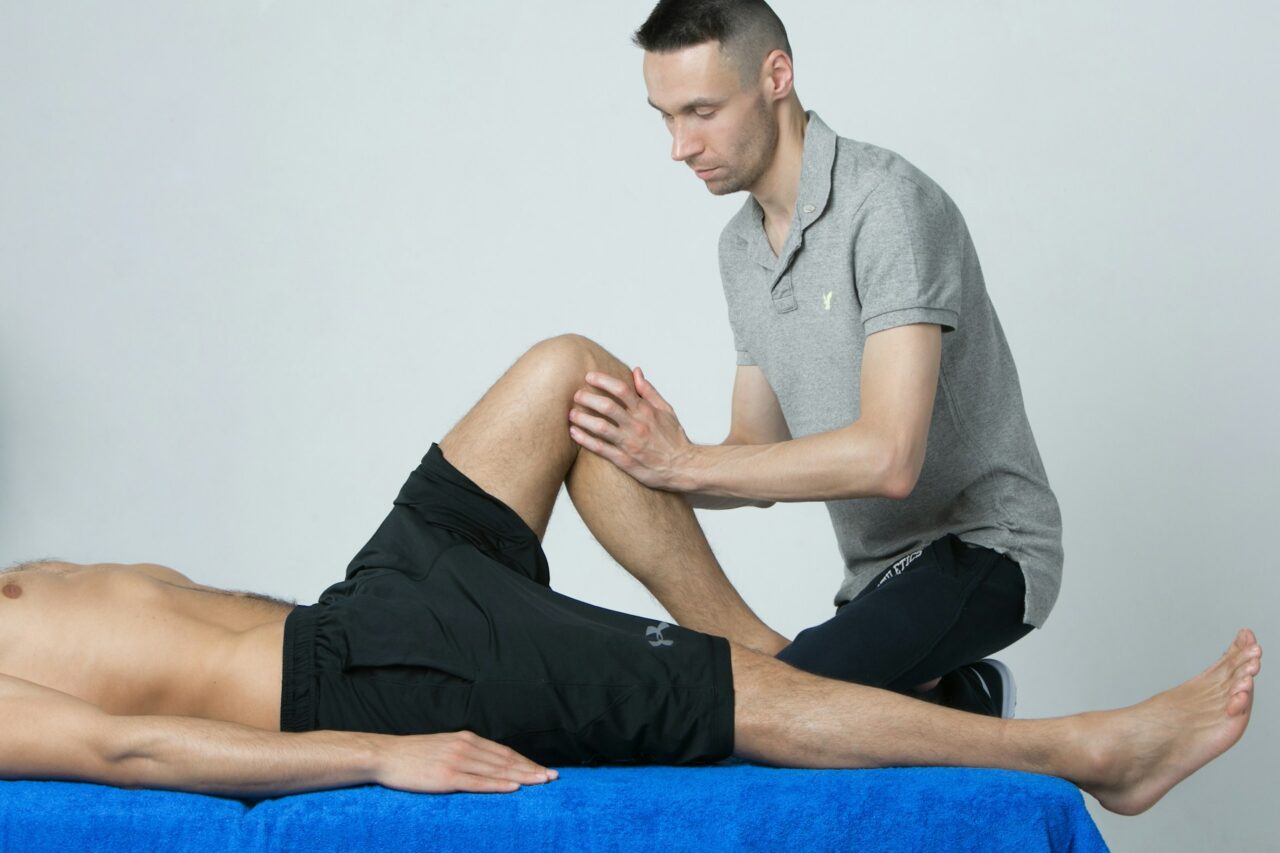
Joint pain can make everyday tasks feel like a marathon. Whether it’s sharp aches or a constant dull throb, dealing with joint discomfort isn’t easy. That’s where Mobility Express comes into play. It’s a game changer for many folks, offering a structured approach to ease those persistent joint problems.

Mobility Express revolves around simple movements tailored to improve flexibility and reduce pain. Think of it as a gentle flow of stretches and exercises that target different parts of your body. It’s not about lifting heavy or pushing yourself to the extreme. Instead, it’s more about finding that sweet spot where your joints feel less tense and more responsive. For those who thrive in a group class workout setting, Mobility Express can offer the camaraderie and structure needed to stay on track.

Understanding Joint Pain

Joint pain is, unfortunately, a common issue that affects many people. It’s not just older adults who suffer; athletes and young folks frequently deal with it, too. So, what exactly causes this type of pain?

– Arthritis: Often it stems from joint inflammation, most commonly arthritis.

– Injuries: Previous injuries can leave long-lasting effects, causing discomfort that lingers.

– Overuse: Sometimes, too much repetitive motion, whether work-related or through sports, contributes to the problem.

– Poor Posture: Believe it or not, the way you sit or stand can cause your joints to ache.

Living with joint pain can deeply impact daily life. Imagine taking a simple walk in the park or even trying to pick up a grocery bag and feeling a jolt of pain each time. You start avoiding activities that once brought you joy because they now come with a side of discomfort.

Addressing joint pain is important not just for comfort, but also for maintaining mobility. It’s like tending to a squeaky door; ignoring it usually leads to more problems down the line. The key is finding ways to manage it effectively, making life more enjoyable and active once again.

Benefits of Mobility Workouts

Mobility workouts offer a unique approach to easing joint pain by focusing on flexibility. The aim is to allow your joints to move more freely, helping to lessen discomfort and increase comfort in everyday activities. These exercises aren’t just about doing regular stretches; they incorporate a variety of movements designed specifically to target different joints.

Here’s why mobility exercises are valuable:

– They can enhance joint flexibility, which is key to reducing stiffness.

– By keeping joints active, they potentially decrease the overall pain levels.

– They provide a gentle introduction to more physical activities without overwhelming the body.

Activities like controlled leg swings, arm circles, and ankle rotations are examples of movements that can contribute to joint health. Picture yourself doing simple arm circles each morning; it’s a small step, yet it helps grease the shoulder joints, making daily activities smoother. This regular practice can translate into more physical independence and comfort during everyday tasks.

What to Expect in a Mobility Express Class

Stepping into a Mobility Express class, you’ll find an inviting space designed for comfort and ease. These classes are structured to address joint pain systematically through gentle movement routines. Each session typically includes:

– Warm-up activities to gradually prepare the body.

– A series of targeted movements focusing on various joints.

– Cool-down stretches to relax muscles and maintain flexibility.

Expect routines like leg stretches, which are key for hip and knee flexibility, and upper-body rotations, which help with shoulder and neck mobility. The class ensures that participants engage every major joint group, catering to individuals from all walks of life. The group class setting also offers the added benefit of community support, making the process enjoyable and motivational.

Success Stories

Many people have noticed significant improvements after participating in Mobility Express classes. For instance, a participant dealing with chronic knee pain found that regular attendance allowed her to enjoy long walks again without discomfort. Encouraging stories like this underline the value of consistent participation and offer hope for anyone struggling with joint issues.

Take the First Step Towards Pain-Free Living

It’s time to shift from enduring joint pain to actively managing it. Mobility Express classes provide a pathway to reclaiming physical comfort, encouraging flexibility, and embracing a more active lifestyle. Remember, pain-free living isn’t just a dream; with the right steps, it’s a reachable reality. Take that first step today, and feel the difference as you welcome a new chapter of mobility and comfort.

Are you ready to improve your mobility and tackle joint pain with engaging exercises? Discover how a group class workout at Quincy Athletic Club can be the supportive and transformative experience you need. Join us and work together in a motivating environment to reach your goals and move towards a more comfortable, active life.


andrej-lisakov-CcezYh3HdvE-unsplash-1280x853.jpg

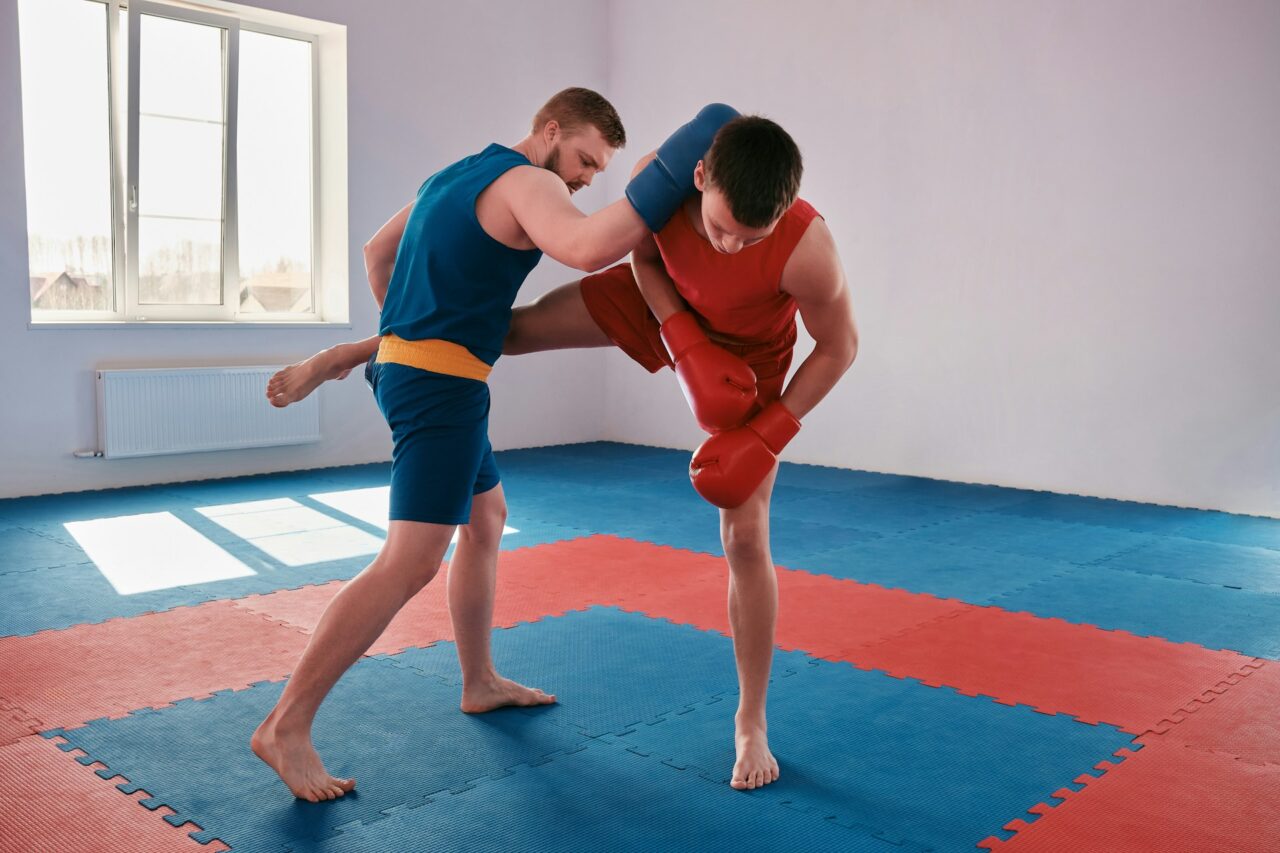
Cardio Kick Boxing is a fun, energetic way to get your heart pumping and your body moving. This workout mixes traditional boxing moves with an intense cardio workout, ensuring a full-body experience that leaves you feeling strong and accomplished. But while the routines are designed to help you get fit and healthy, sometimes they come with a few challenges, like maintaining balance.

Balance problems during Cardio Kick Boxing can be both frustrating and limiting. Imagine enjoying your workout session, but then wobbling or losing your footing during a quick jab or kick. It’s like trying to dance on ice—difficult and a bit hazardous. Addressing these balance issues is crucial to improving your performance and getting the most out of each workout. Strengthening your balance not only ensures a safer workout but also a more effective one, helping you to feel confident as you kick and punch your way to fitness.

Common Balance Issues in Cardio Kick Boxing

Losing balance in Cardio Kick Boxing can happen to anyone, whether you’re just starting or have been at it for a while. The main culprits can often be found in how we move or how our bodies are positioned during workouts. One common problem is an uneven weight distribution. If you find yourself leaning too heavily on one foot during a kick, you might end up off-balance. Another issue can be lack of proper footing. Keeping a steady stance and knowing how to plant your feet can prevent those sudden balance mishaps.

Weak core muscles can also lead to balance issues. Your core isn’t just about those six-pack abs; it’s about the entire midsection that stabilizes you. If your core isn’t strong enough to keep you steady, you might find yourself stumbling during rapid movements. It’s similar to a tree with a weak trunk—it won’t stand firmly against wind gusts. Then, there’s the problem of quick directional changes. Cardio Kick Boxing involves fast shifts in direction and movement, which can catch you off guard if you’re not prepared.

To tackle these issues, you might need to pay attention to a few important details during your workouts. Here’s a quick list to help understand what could cause balance issues:

– Uneven weight distribution, especially during kicks

– Inadequate footing and stance

– Weak core muscles not providing enough stability

– Difficulty in adjusting to quick changes in direction

Understanding these common issues is the first step to correcting them and enhancing your Cardio Kick Boxing experience. With practice and the right approach, you can improve your balance and make the most out of each session.

Techniques to Improve Balance

Improving balance during Cardio Kick Boxing is all about integrating some key techniques into your routine. Begin by focusing on your core, as a strong midsection is essential for stability. Simple exercises like planks or bicycle crunches can go a long way in strengthening these muscles. Practicing balance-specific exercises, like standing on one leg or using a balance board, can also help you stay steady.

Consider incorporating balance-focused stretches to ease muscle tension and enhance flexibility. Things like yoga poses such as the tree pose or warrior pose can be particularly beneficial. These stretches not only improve balance but also offer increased flexibility, making it easier to handle quick movements. Here are some tips you can use:

– Focus on your core strength with exercises like planks and crunches.

– Practice yoga poses such as the tree pose for better balance.

– Use a balance board to challenge and improve stability.

– Balance on one leg for short periods to practice steadiness.

Remember to work on these techniques regularly to see improvement. Patience and consistency are key, allowing you to build confidence in each session.

Role of Proper Footwear and Equipment

Proper footwear plays a crucial role in maintaining balance. Shoes with good support and grip can prevent unexpected slips and give you a firm foundation. Avoid shoes with worn-out soles, as they don’t offer the traction or stability you need.

Aside from shoes, a few pieces of equipment can aid balance. A weighted vest, for example, can help maintain a centered body position. Using resistance bands during training can also enhance core strength, which filters into better balance. These tools don’t just help during workouts; they also prepare your body for real-life balance challenges.

Select footwear and equipment that match your needs and comfort. By investing in the right gear, you’ll have one less thing to worry about when you’re moving and bending during your workouts.

Importance of Professional Guidance

Seeking professional guidance can significantly enhance your cardio kick boxing experience. At Quincy Athletic Club, trainers are equipped to address individual balance issues through personalized sessions. They provide insights and techniques tailored to your specific needs, ensuring you get the most from each workout. Having a professional monitor your form and progress helps in tackling challenges efficiently and safely.

Wrapping Up Your Cardio Kick Boxing Journey

Addressing balance issues is a step towards making your Cardio Kick Boxing sessions more effective and enjoyable. By understanding common problems and implementing simple techniques, you’re setting yourself up for success. Each session allows you to build not only physical strength but also self-confidence.

Keep pushing yourself by regularly practicing these tips and observing how your body responds. Gradually, you’ll notice improvements, making every punch and kick feel more powerful and controlled. Balancing it all might take time, but with determination and the right approach, you’ll master it. Your fitness journey continues to evolve, leading to a healthier and more balanced you.

Elevate your Cardio Kick Boxing sessions by mastering balance with the help of expert trainers at Quincy Athletic Club. Discover a variety of gym workout classes designed to enhance your stability and boost your fitness journey. Join us and experience a dynamic workout environment that supports your goals and keeps you motivated. Transform your routine and achieve a healthier you today!