
May 2025 - Quincy Athletic Club

brock-wegner-sGkNGVcrKNE-unsplash-1280x1024.jpg

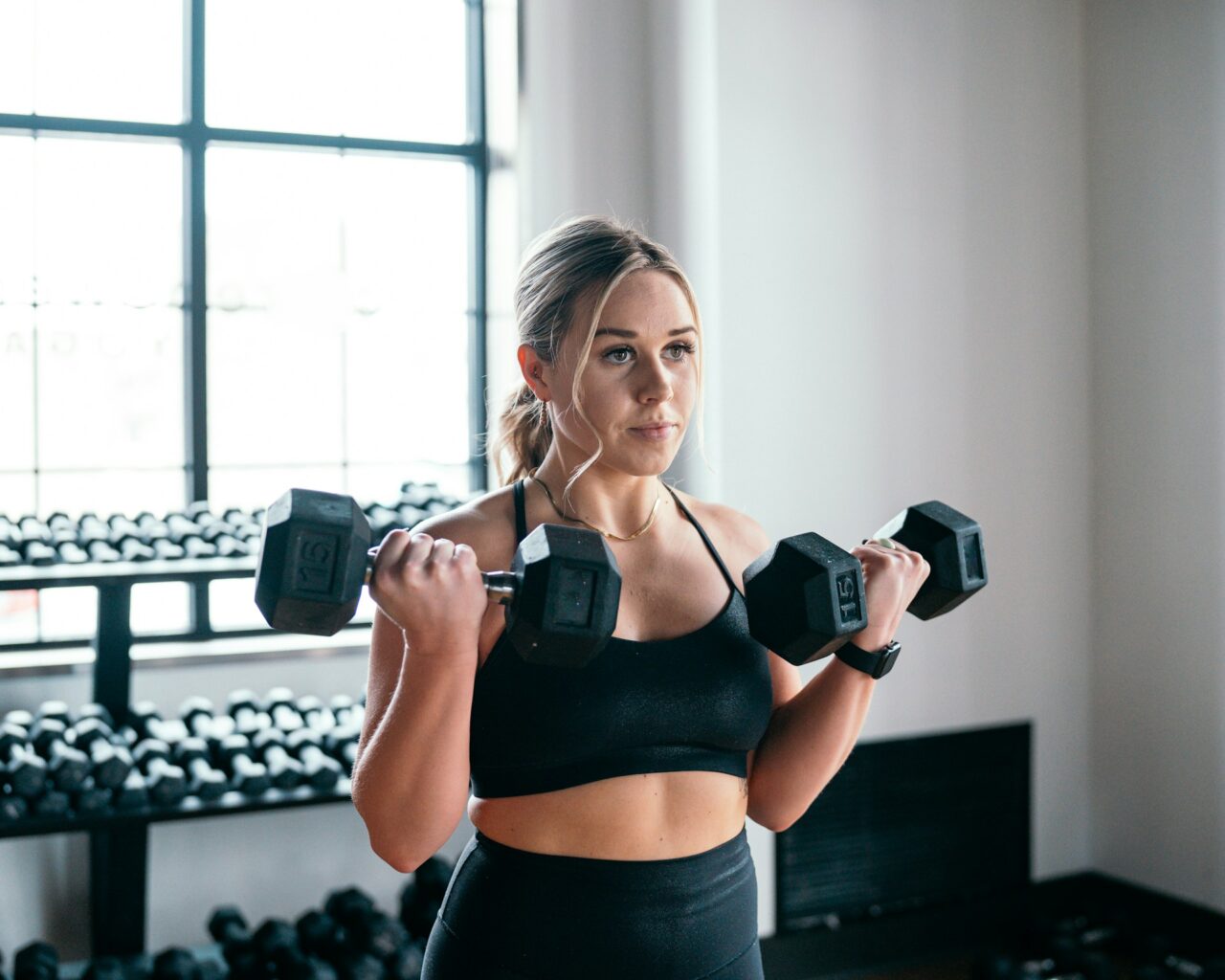
BodyPump workouts have become a favorite for many fitness enthusiasts looking to get a comprehensive and challenging full-body workout. This energizing routine is based on weightlifting moves choreographed to music, making it an exciting way to boost your strength and endurance. Whether you’re squatting, curling, or pressing, each movement in a BodyPump class is designed to tone muscles and burn calories. However, one common issue many face is figuring out why their weights sometimes feel either too heavy or too light during these workouts.

Choosing the right weight is crucial for maximizing results from your BodyPump sessions. If your weights are too heavy, you risk straining muscles or causing injury; if too light, you may not challenge your muscles enough to see progress. It’s all about finding that sweet spot where your muscles are challenged just enough to enhance strength without overexertion. Let’s explore why you might experience one or the other and how to tackle these challenges effectively.

Reasons Your Weights Might Feel Too Heavy

There are a few reasons why your weights may feel too heavy during a BodyPump workout:

– Lack of Proper Warm-Up: Skipping or rushing through a warm-up can lead to weights feeling more challenging than they should be. Warm-ups prepare your muscles for the workout, increasing blood flow and flexibility. A proper pre-workout warm-up gets your body ready to lift more confidently and comfortably.

– Incorrect Form or Posture: Using the wrong form or posture can make weights feel heavier. When you’re not aligned correctly, certain muscles might bear more of the burden than they should. For example, arching your back during a chest press can strain your lower back and make the lift more difficult. It’s like trying to lift with one arm tied behind your back—you could still do it, but it wouldn’t be as efficient or comfortable.

– Progressing Too Quickly: Maybe you jumped from lifting 5 pounds to 10 without giving your body a chance to adjust. Progressing too quickly in weight can lead to the weights feeling overly heavy. It’s important to increase weights gradually, letting your body adapt steadily to new challenges, much like climbing stairs one at a time instead of skipping steps.

Understanding these factors helps you pinpoint how these elements might be impacting your workout, enabling you to make necessary adjustments to ensure a more effective and safe fitness routine.

Reasons Your Weights Might Feel Too Light

Just as heavy weights pose a challenge, using weights that are too light can also keep you from achieving your fitness goals. If your weights seem too light during a BodyPump session, there might be a few reasons why:

– Insufficient Challenge for Current Fitness Level: As your fitness level improves, your body requires more resistance to continue building strength. If you stick to the same weights you started with months ago, they may no longer provide the challenge your muscles need for growth. Think of it as simply doing your daily routine without any added effort—you’re unlikely to see significant improvements.

– Incorrect Weight Selection: Sometimes, misjudging which weight to use happens. Maybe you grabbed lighter weights in a hurry or mistook a set for the ones you typically use. It’s important to choose weights that push your limits while still allowing for proper form throughout the class.

– Not Pushing to Muscle Fatigue: One key aspect of BodyPump is reaching muscle fatigue within each track. If your weights don’t seem to tire your muscles by the end of a set, consider moving to a heavier option. The ideal weight should make the last few reps feel tough, but manageable. It’s like jogging on a hill: you want it to be challenging enough to make you work harder, not just a flat path.

Tips for Finding the Right Weight

Getting the right weights is like finding a pair of comfortable shoes—not too tight, not too loose. Here’s how you nail it:

1. Consult with a Fitness Trainer: Having a pro guide you is invaluable. They can review your form, suggest the best weight adjustments, and ensure you’re on track with your fitness level. This tailored advice helps prevent injury and promotes efficient workouts.

2. Listen to Your Body: Pay attention to how your body responds during the workout. Are you feeling an adequate challenge by the end of each track? Or are you barely breaking a sweat? Your physical response acts like a natural gauge in determining if adjustments are needed.

3. Gradual Progression in Weight Increments: Instead of jumping to a heavier weight, try moving up in smaller increments. Small changes prevent your body from being overwhelmed and help maintain good technique. Imagine stepping up a series of small hills rather than one steep mountain.

Benefits of Using the Right Weight in BodyPump Workouts

Getting the right weight means more than just feeling comfortable during workouts:

– Better outcomes — stick with it to build muscle strength and endurance effectively without tiring yourself out too fast.

– Avoid injuries — say goodbye to strains with the right load, allowing longer sessions without setbacks.

– The whole experience is better — hitting that perfect weight makes workouts feel good and helps you progress.

With the right weights, you’ll turn every BodyPump class into a productive session, making sure your efforts pay off and keeping your regimen enjoyable and effective. Keep readjusting to optimize your fitness routine over time.

Discover how a BodyPump workout can transform your fitness journey. Quincy Athletic Club offers guidance and encouragement to help you optimize your routine, ensuring your workouts are both challenging and rewarding. Embrace the chance to improve your strength and endurance with the support of our dedicated fitness community.

HIIT.jpg

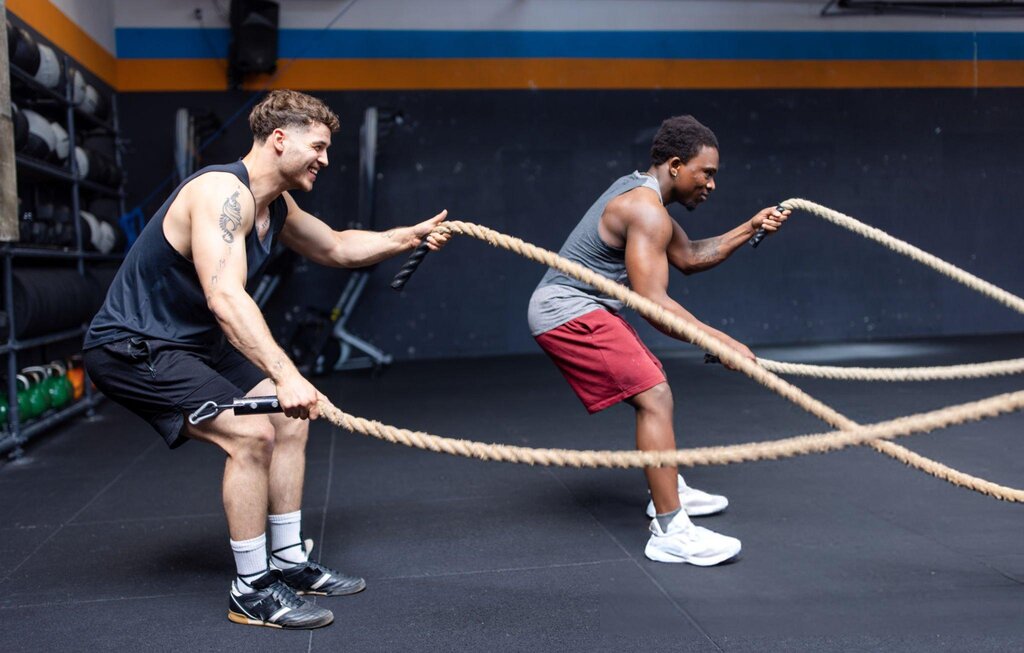
High-intensity interval training, or HIIT, is a favorite among fitness enthusiasts who are short on time but eager for results. This type of workout alternates between intense bursts of activity and short periods of rest or lower-intensity exercise. It not only gets your heart rate up but also pushes your muscles to their limits, promising significant improvements in endurance and strength. However, the fast pace and powerful moves can sometimes lead people to make form mistakes that may hinder progress and lead to injury.

Fitness isn’t just about how much you sweat or how quickly you move; it’s about doing exercises correctly to maximize their benefits and keep your body safe. Fixing form mistakes in HIIT workouts is crucial to ensuring that each squat, lunge, and push-up is not only effective but also safe. Addressing these common form errors can make all the difference in achieving fitness goals more efficiently and preventing unnecessary strain on your body.

Identifying Common HIIT Workout Form Mistakes

Having good form during a HIIT workout helps in targeting the right muscle groups and prevents injuries. Here are some common form mistakes many people make during their HIIT sessions:

1. Knee Position in Squats and Lunges

Misalignments, like letting your knees cave in during exercises such as squats or lunges, can put undue stress on your joints. Aim to keep your knee aligned over your ankle, tracking in the same direction as your toes.

2. Posture in Push-Ups and Planks

A sagging back or raised hips during push-ups or planks can reduce the move’s effectiveness and strain your lower back. Engage your core and ensure your body forms a straight line from head to heels.

3. Skipping a Warm-Up

Jumping into intense exercises without a proper warm-up can lead to improper form. Stretching and light cardio can prepare your muscles, increasing both performance and safety.

Being aware of these pitfalls is the first step toward improving your form. Next time you’re doing a HIIT workout, keep these tips in mind to enhance your performance and safeguard your health. By focusing on form, you’ll be able to get the most out of your workouts and reduce the risk of injury.

How to Correct Your Form in HIIT Workouts

Improving your form in HIIT workouts doesn’t have to be a mystery. Simple strategies can help you align your body and make the most of each exercise. One handy technique is using a mirror or recording yourself during your workout. By doing this, you can visually check your alignment and ensure you’re hitting each position accurately. Watching playback lets you spot any variance from correct form and helps you understand how to adjust.

Additionally, consulting with a fitness trainer can provide personalized advice. Trainers observe your movements and offer specific tips suited to you, which can make all the difference in avoiding common mistakes. Their expertise can guide you on how to modify routines to fit your capabilities while still maintaining form.

Taking control of your movement also aids in correction. Focus on performing exercises slowly and with control. This method not only aids in building your strength but also ensures you’re doing them correctly, allowing you to feel every movement as you progress through your workout.

Benefits of Proper Form in HIIT Workouts

Emphasizing proper form delivers a myriad of benefits, ensuring both effectiveness and safety in your HIIT routine. For one, maintaining good form significantly reduces the risk of injury. Correct posture and alignment protect your joints and muscles from unnecessary strain, allowing you to enjoy your workouts without fear of setbacks.

Efficient workouts are another upshot. With proper form, every movement becomes more effective, meaning you engage the intended muscles correctly, maximizing the exercise’s effectiveness. This efficiency translates into quicker improvements in strength and endurance, keeping motivation high.

Over the long term, maintaining good form helps you sustain better overall results. By consistently practicing proper techniques, you build a foundation that supports continued fitness gains and physical health. It’s about creating a routine that not only challenges you but also supports your body’s well-being over time.

Tips for Maintaining Good Form During HIIT Workouts

Keeping your form in check requires continual mindfulness and adaptation. Here are some tips to maintain good form:

– Schedule regular form checks. Periodically pause to evaluate your form and make necessary adjustments.

– Integrate strength and flexibility exercises. These help support proper form, ensuring your body can handle the dynamic nature of HIIT.

– Maintain proper hydration and balance your workout load. Prevent fatigue by drinking plenty of water and avoiding overtraining, as both can lead to form breakdowns.

Keep Your HIIT Workout Effective and Safe

Perfecting your form isn’t just a one-time effort; it’s an ongoing practice that enhances your workout’s effectiveness and safety. By continuously focusing on proper form, you’re not only preserving the quality of your workouts but also ensuring long-term health benefits. Correct form is key, and by prioritizing it, you make each session both rewarding and enjoyable.

Stay committed to refining your movements, and you’ll see that over time, your efforts yield stronger, more efficient workout routines. With discipline and attention to form, you’re set to achieve the fitness goals you strive for, relishing every step of the journey.

Elevate your HIIT workouts and ensure peak performance with expert form guidance at Quincy Athletic Club. Explore our comprehensive range of gym workout classes designed to enhance your fitness journey. Our supportive and knowledgeable instructors are here to help you refine your movements and achieve your goals safely and effectively. Join us and thrive in a vibrant community committed to your fitness success!


getty-images-NBHC69AqMaM-unsplash-1280x853.jpg

Stepping into a Barre Bootcamp class can be an energizing experience, packing an intense workout into a fun and engaging session. Combining elements from ballet, yoga, and Pilates, Barre Bootcamp offers a full-body workout that strengthens muscles you didn’t even know you had. This rigorous exercise routine, however, often comes with a familiar visitor—muscle soreness. It’s something most people have felt after challenging physical activity, a sign that muscles are working hard and adapting.

Muscle soreness is often a natural part of getting stronger, known to fitness enthusiasts as delayed onset muscle soreness (DOMS). But just because it’s common doesn’t mean it can’t be bothersome or uncomfortable. It’s important to understand why this soreness happens and how best to manage it, so you can enjoy the benefits of Barre Bootcamp without being sidetracked by discomfort. Whether you’re just starting or a seasoned bootcamper, knowing how to deal with soreness is key to staying on track with your fitness goals.

Why Muscle Soreness Happens

Muscle soreness after an intense session like Barre Bootcamp usually happens due to what’s called microtears in the muscle fibers. When you work your muscles harder than they’re used to, tiny tears occur, and as the muscles repair themselves, they grow back stronger. This natural repair process results in mild inflammation, which your body senses as stiffness and soreness. It’s a normal response and often means you’re on the right path to building strength.

These tears and the accompanying soreness usually present themselves a day or two after working out. While it might seem unpleasant, remember that this soreness is usually temporary. It’s your body’s way of adapting to a new level of fitness, which is why it’s quite common when you start a new workout regime or if you’ve pushed yourself harder than usual. Once your muscles are conditioned to the new activity, you’ll notice the soreness diminishing over time.

Understanding why your muscles feel sore can help you embrace this process as a part of reaching your fitness potential. Your body is adjusting, adapting, and, in the long run, getting stronger. So next time you wake up sore after a difficult Barre Bootcamp, know that it’s just another step in your journey to fitness success. If you’re looking for ways to adjust your routine to prevent or lessen soreness, plenty of strategies can help make that transition smoother—both physically and mentally.

Immediate Steps to Alleviate Soreness

Once you start feeling the familiar tightness after your Barre Bootcamp, it’s time to ease those aching muscles gently. A good place to start is staying hydrated. Drinking plenty of water helps flush out toxins that can build up in the muscles during an intense workout. It aids recovery and keeps you feeling energized and refreshed.

In addition to drinking water, embrace gentle stretching and yoga. Light stretches can improve blood circulation and help relieve tight areas. Consider poses like the child’s pose or cat-cow stretch, which can be particularly soothing. These activities aren’t just beneficial for muscle recovery—many find they’re excellent for calming the mind after an intense session too.

Applying ice or heat packs can also provide relief. Ice helps reduce inflammation, while heat can soothe and relax tense muscles. You might try alternating between the two for the best results. If you experience soreness in specific areas, like the thighs after repeated squats, localized treatments like these can be quite effective.

Long-Term Strategies for Managing Soreness

Planning a comprehensive approach is essential when it comes to managing muscle soreness in the long run. One key aspect is maintaining a regular workout schedule. Consistency helps your body adjust to the demands of the exercises, gradually reducing the severity of soreness over time.

In addition to maintaining a routine, focus on nutrition, which plays a significant role in recovery. Consider including protein-rich foods in your diet, as they provide the necessary building blocks for muscle repair. Foods like chicken, fish, tofu, and legumes can aid in speeding up the recovery process. Pairing these with nutrient-dense vegetables will support overall health and keep you feeling your best.

Rest and sleep shouldn’t be underestimated either. Sleep is crucial for recovery, as it allows your muscles to repair themselves. Ensure you’re getting enough restful sleep each night, and try to incorporate rest days into your workout schedule to give your body the downtime it needs to heal and grow stronger.

When to Seek Professional Help

Although muscle soreness is typically harmless, certain signs might indicate the need for professional advice. If your soreness doesn’t improve after several days of home care, or if you experience sharp, persistent pain that doesn’t feel like the usual workout strain, it’s wise to consult with a fitness expert. Feeling constantly fatigued or noticing swelling can also be signs of something beyond typical soreness.

Listening to your body’s signals is incredibly important. Ignoring severe pain and pushing through intensive workouts can lead to more significant injuries. By taking your body’s cues seriously and not dismissing them, you ensure a safe and successful fitness journey.

Don’t hesitate to reach out to trained professionals who can assess your condition and provide personalized advice. With their help, you can adjust your fitness plan as needed and continue working toward your goals safely and effectively.

Embrace the Journey: Making Muscle Recovery Part of Your Routine

Muscle soreness can feel frustrating at times, but embracing it as part of your fitness journey is vital. It signifies hard work and progress, showing that your efforts are leading to improved strength and endurance. Staying motivated during these times can keep you on track and make your workout experience more rewarding.

To keep the motivation high, remember that the soreness you feel is temporary, a step along the path to achieving your fitness goals. Finding joy in the process—celebrating small victories like completing a challenging class without stopping—can help maintain enthusiasm and dedication.

Consistently focusing on muscle recovery as part of your routine ensures you remain strong and resilient. It’s about balancing effort with care, recognizing that taking time for rest and recovery bolsters your ability to continue pushing forward with confidence and enthusiasm.

Ready to embrace the challenge of Barre Bootcamp while managing muscle soreness effectively? Join us at Quincy Athletic Club, where our supportive community and expert guidance will help keep your fitness journey on track. Explore our diverse gym fitness classes and experience a well-rounded approach to a stronger, healthier you. Together, let’s make every step of your Barre Bootcamp experience both productive and enjoyable!


oksana-taran-xB4ExGcUai0-unsplash-1280x854.jpg

Breathing is more than something we do to stay alive. In yoga, it plays a vital role that enhances each stretch and movement. By focusing on breath, yoga practice becomes a holistic experience, enabling individuals to connect deeply with their bodies and minds. Proper breathing can not only make you feel more relaxed but also improve your overall yoga performance. As you inhale deeply, you fill your lungs with energy, and as you exhale, tension floats away.

For many yoga enthusiasts, understanding the importance of breath can transform their practice. Imagine trying to balance in a challenging position; steady breath can be your best ally. Breathing properly helps align your movements, leading to a more effective session. As you become more aware of your breath, you’ll notice an improved connection between your mind and body, encouraging mindfulness in every pose. Whether you’re a newcomer or have been attending Vinyasa yoga classes for a while, exploring breath techniques can elevate your practice to new heights.

Understanding the Basics of Breath Control in Yoga

At the heart of yoga is pranayama, the practice of breath control. Pranayama isn’t just about breathing; it’s about being intentional and mindful with each breath you take. By learning to control your breath, you can influence your physical and mental states, bringing a sense of tranquility to your yoga sessions.

Mindful breathing enhances your connection to the present moment. As you focus on each breath, distractions fade, allowing you to concentrate on the flow of your poses. This concentrated breathing fosters a deeper practice, aligning your movements with your breath and helping to maintain balance and focus.

Key Breathing Techniques for Your Vinyasa Yoga Classes in Quincy, MA

1. Ujjayi Breath: Often referred to as the “ocean breath,” Ujjayi breathing involves inhaling through the nose and exhaling with a slight narrowing at the back of the throat. This produces a soothing sound similar to ocean waves, aiding concentration and keeping your mind calm during practice.

2. Alternate Nostril Breathing: This technique is practiced by closing one nostril at a time while inhaling through the other. It’s known to balance the nervous system and has a calming effect on the mind.

3. Belly Breathing: Belly breathing involves expanding the abdomen as you inhale and contracting it as you exhale. This type of breathing is known to enhance relaxation, allowing tension to release from the body.

Each technique offers unique benefits, helping you to stay centered and relaxed. Incorporating these breathing methods into your Vinyasa practice can support a more focused and grounded experience, allowing you to step off the mat feeling rejuvenated and refreshed.

Incorporating Breathing Techniques into Your Vinyasa Flow

Synchronizing your breath with movement in Vinyasa yoga is an art that maximizes the benefits of your practice. As you move through each pose, your breath acts as a guide, ensuring smooth and controlled transitions. Start by matching your inhales and exhales with the timing of your movements. When you inhale, visualize filling your body with strength for postures that open you up. As you exhale, allow any tension to leave with the breath, especially during twists and folds. This rhythm not only enhances the flow of your practice but also helps maintain focus and stability.

To keep your breath and mind on track, try these simple tips:

– Begin each class with a few minutes of focused breathing. This sets the tone for your practice.

– Use breath counts to maintain steady inhale and exhale durations. Count to four on each inhale and exhale at the very least.

– If your mind begins to wander, gently bring your focus back by tuning into your breath. This is especially helpful in challenging poses.

Breath control also plays an important role in maintaining balance and endurance. By keeping your breathing steady, you can hold poses longer and with more ease. This not only improves your physical performance but also encourages a meditative state, allowing you to find inner peace while you practice.

Enhancing Your Overall Wellness Through Breath Awareness

Improved breathing techniques go far beyond the mat, offering holistic benefits that touch various aspects of life. When you focus on your breath consistently, it can lead to greater mental clarity and reduced stress. Imagine having the ability to clear your mind and feel more present in everyday moments. This calm and focused state can make decision-making easier and life more enjoyable.

The physical benefits are just as impactful. With regular practice, many find that their breathing becomes more efficient, providing more oxygen exchange and boosting energy levels. Over time, consistent practice can enhance mindfulness, making it easier to stay calm under pressure and more adaptable to life’s challenges. Whether you’re dealing with daily stressors, seeking better mental clarity, or aiming for improved physical health, breath awareness is a powerful tool that can support your goals.

Breathe Better, Feel Better: Join Vinyasa Yoga Classes at Quincy Athletic Club

By weaving breathing techniques into your yoga practice, you open the door to a more profound and beneficial experience. Breathing doesn’t just fill your lungs; it enhances every stretch and movement in your practice. You’ll find yourself more grounded, in tune, and ready to face whatever comes your way. By embracing these techniques, you not only improve your yoga practice but also enrich your day-to-day life, bringing a sense of peace and balance to all you do.

Breath awareness is a powerful tool that enhances yoga practice and overall wellness. If you’re ready to explore the benefits of deep breathing and mindful movement, consider joining Quincy Athletic Club for Vinyasa Yoga Classes. Experience a practice that synchronizes breath with motion, fostering physical strength, mental clarity, and inner balance. Embrace a more centered and rejuvenating experience by becoming part of our yoga community today.